Top 20 Judgment Errors in World Police History: Failures That Marked the Law
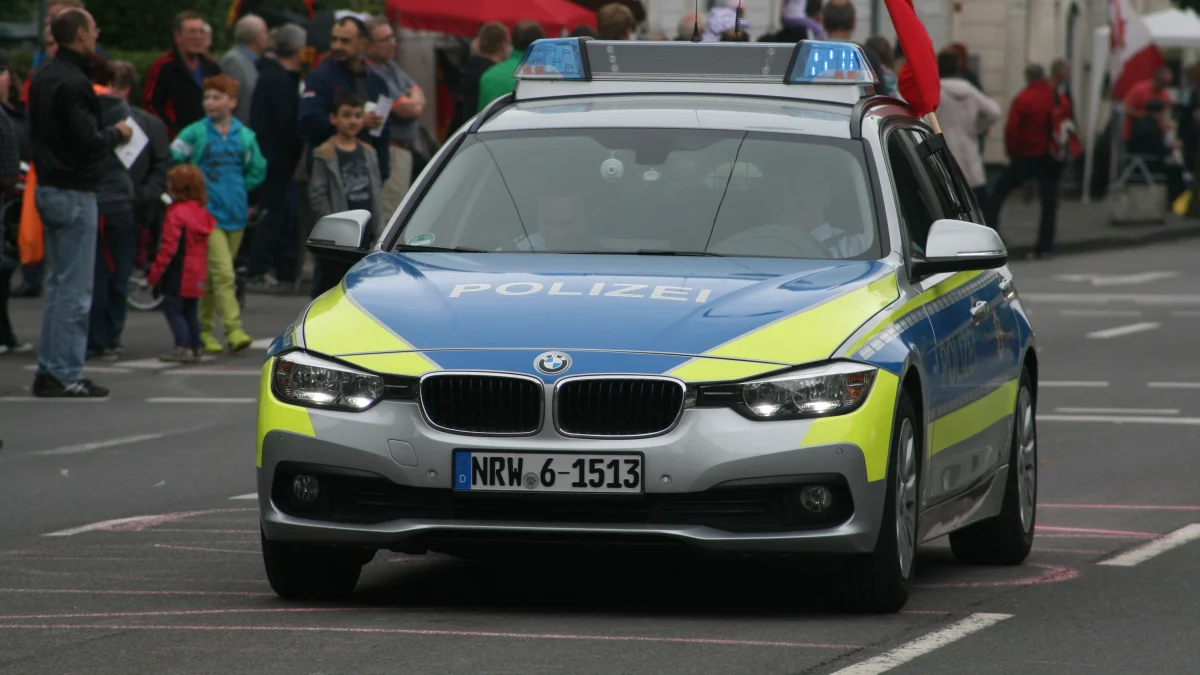
The history of law enforcement is full of moments where erroneous decisions, prejudices, or lack of vision led to wrongful convictions, bloody tactical failures, and the loss of public trust. Here is an analysis of the 20 biggest judgment errors in policing worldwide.
1. The Hillsborough Massacre (United Kingdom, 1989)
Police opened an access gate to ease crowd flow at a football match, causing a deadly crush in which 97 Liverpool fans died. For decades, police blamed the supporters. Error: disastrous crowd management and the subsequent cover-up of responsibility.
2. The "Central Park Five" Case (USA, 1989)
Five Black teenagers were wrongfully convicted of raping a woman in Central Park, based on confessions obtained through coercion. The true perpetrator confessed years later. Error: abusive interrogations and racial prejudices that overshadowed the lack of physical evidence.
3. The Columbine Massacre (USA, 1999)
Police followed the standard protocol of establishing a perimeter and waiting for SWAT teams, during which time the attackers continued to kill students inside. Error: applying a static siege tactic in an "active shooter" situation. This failure changed police tactics globally.
4. The Shooting of Jean Charles de Menezes (United Kingdom, 2005)
Two weeks after the London bombings, police fatally shot an innocent Brazilian electrician on the subway, mistaking him for a terrorist. Error: mistaken visual identification and the aggressive "shoot to kill" policy without confirmation.
5. The Dutroux Case (Belgium, 1990s)
Marc Dutroux kidnapped and murdered several girls, even though police had been to his home and heard children's voices, but did not intervene. Error: gross incompetence, lack of communication between police agencies, and ignoring obvious clues.
6. The "Jack the Ripper" Investigation (London, 1888)
Police ordered the erasure of a message written in chalk on a wall, which could have been the killer's only written clue, for fear of antisemitic riots. Error: destruction of evidence at the crime scene due to political/social considerations.
7. The Killing of Amadou Diallo (USA, 1999)
Four plainclothes officers fired 41 shots at an unarmed immigrant who was pulling out his wallet, believing it was a weapon. Error: "contagious shooting" (panic fire) and racial profiling.
8. The Birmingham Six Case (United Kingdom, 1974)
Six men were imprisoned for life for IRA bombings they did not commit, with police fabricating statements and using unreliable forensic tests. Error: fabrication of evidence under public pressure to secure a quick conviction.
9. The Lindy Chamberlain Case (Australia, 1980)
A mother was convicted of murdering her baby, although she claimed it was taken by a dingo. Police mistook soundproofing material in the car for blood. Error: blind trust in incompetent forensic experts and refusal to accept the parents' explanation.
10. The "Yorkshire Ripper" Investigation (United Kingdom, 1970s)
Police were misled by an audio tape sent by a hoaxer (who had a different accent from the killer), thus ignoring the real suspect, Peter Sutcliffe, even though he had been interrogated 9 times. Error: fixation on a false lead (confirmation bias).
11. The West Memphis Three Case (USA, 1993)
Three teenagers were convicted of murder, with police focusing on the fact that they listened to heavy metal music and dressed in black. Error: the influence of "satanic panic" on a criminal investigation, in the absence of real evidence.
12. The Uvalde Response (USA, 2022)
Hundreds of officers waited in the school hallway for over an hour while the attacker was barricaded with students in a classroom. Error: hesitation in the chain of command and prioritizing officer safety over the lives of children.
13. The Stephen Lawrence Case (United Kingdom, 1993)
The investigation into the murder of a Black teenager was compromised by incompetence and prejudice, leading to the Macpherson report which labeled the police as "institutionally racist". Error: failure to treat hate crimes seriously.
14. O.J. Simpson and the Glove (USA, 1994)
Detective Mark Fuhrman handled evidence suspiciously and was exposed for racism, allowing the defense to discredit the entire investigation. Error: compromising the chain of custody of evidence and lack of investigator integrity.
15. The Rotherham Scandal (United Kingdom, 1997-2013)
Police ignored reports of systematic sexual abuse of 1,400 children, for fear of being accused of racism, as the perpetrators were predominantly of Pakistani origin. Error: political correctness prioritized over the protection of vulnerable victims.
16. The Norway Attacks (2011)
Anders Breivik was able to kill unimpeded on Utøya island for an hour because police did not have a helicopter available and the inflatable boat broke down due to being overloaded. Error: lack of logistical preparedness for major crisis situations.
17. The JonBenét Ramsey Case (USA, 1996)
Police allowed the father to move the body and friends to walk through the house, irrevocably contaminating the crime scene. The case remained unsolved. Error: failure to secure the crime scene from the first minutes.
18. The Seoul Halloween Crowd Crush (South Korea, 2022)
Although there were 11 emergency calls warning of imminent danger hours beforehand, police did not send sufficient personnel. Error: ignoring early warning signs of danger and lack of crowd control.
19. The Capture of "La Catedral" (Colombia, 1991)
Police and the government agreed for Pablo Escobar to surrender and stay in a prison he built himself, guarded by his own men. Error: capitulation of state authority, allowing the criminal to continue his business from "detention".
20. "Grim Sleeper" (USA, 1985-2007)
A serial killer operated for decades in Los Angeles, with police not seriously investigating the cases because the victims were poor Black women or sex workers (labeled "NHI - No Humans Involved"). Error: dehumanization of victims and allocation of resources based on social criteria.