Top 20 Mistakes in the Fight Against Terrorism in World History
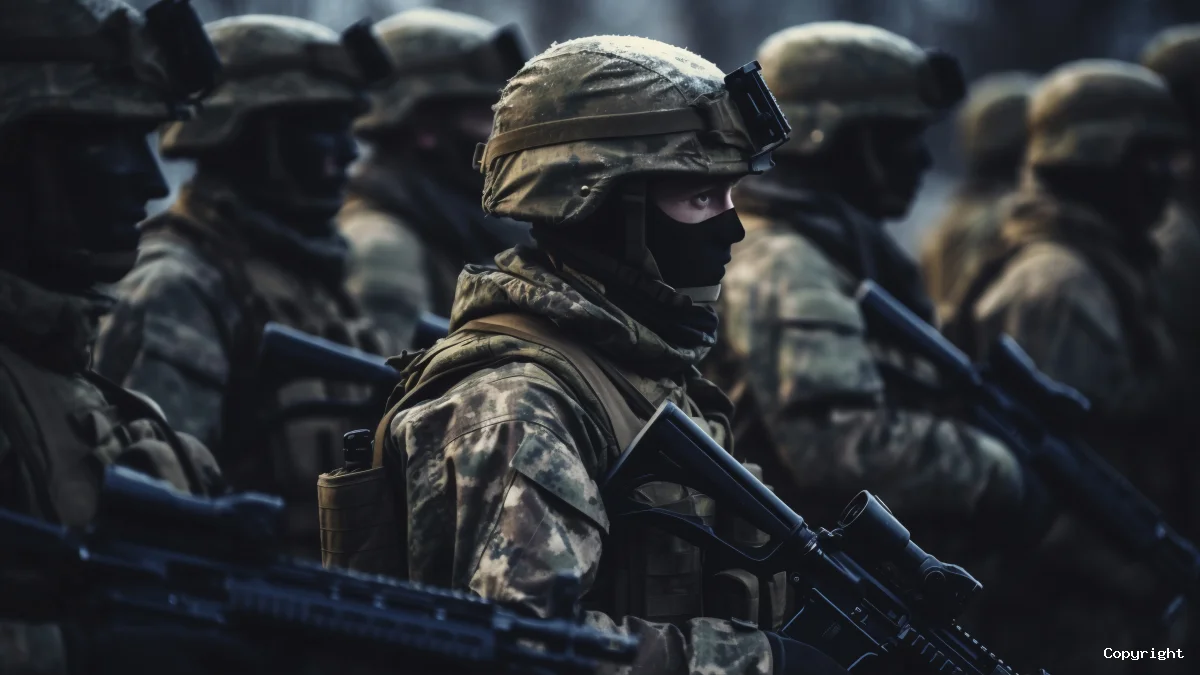
The fight against terrorism has often been a process of "learning through suffering." History shows us that impulsive reactions, lack of coordination, or ignorance of cultural context have frequently turned security tactics into recruitment tools for extremist groups. Here are the 20 biggest mistakes in the history of counterterrorism.
1. Funding the Mujahideen (Afghanistan, 1980s)
In an effort to counter the USSR, the US and its allies funded and armed Islamist fighters. The mistake: creating a "monster" (the future Al-Qaeda) which, after the Soviet withdrawal, turned its weapons against the West.
2. The Invasion of Iraq (2003)
Based on erroneous information regarding weapons of mass destruction, the invasion destroyed Iraq's state structure. The mistake: opening a "Pandora's box" that transformed the country into the world's largest training ground for terrorists.
3. The De-Ba'athification Policy (Iraq, 2003)
The dissolution of the Iraqi army and the dismissal of all members of Saddam Hussein's party. The mistake: throwing hundreds of thousands of militarily trained men into unemployment, forcing them to join the insurgency (the nucleus of the future ISIS).
4. Operation Demetrius (Northern Ireland, 1971)
The introduction of internment without trial for suspects by the British army. The mistake: the radicalization of the Catholic population, which led to an explosion of IRA recruitment and an increase in violence for decades.
5. The Handling of the Munich Crisis (1972)
The German police, unprepared for modern terrorism, attempted a chaotic rescue operation. The mistake: the lack of a specialized unit and a tactical plan, leading to the death of all Israeli hostages.
6. The Use of Torture (Abu Ghraib and Guantanamo)
The use of "enhanced interrogation techniques." The mistake: the loss of moral superiority and the creation of an unbeatable propaganda tool for terrorist groups, which used the images to radicalize new generations.
7. The Nord-Ost Theater Siege (Moscow, 2002)
The use of an unknown gas to neutralize Chechen terrorists without preparing the antidote for medical teams. The mistake: the lack of communication between assault forces and medics, causing the death of over 120 hostages due to the gas.
8. The Beslan School Massacre (2004)
The chaotic intervention, where armed civilians fired alongside special forces. The mistake: the inability to secure the perimeter and control the assault, leading to the death of over 330 people, mostly children.
9. The "Lillehammer" Mistake (Norway, 1973)
As part of Operation "Wrath of God," the Mossad assassinated an innocent waiter, mistaking him for the leader of the Black September group. The mistake: a massive intelligence identification failure, leading to a diplomatic scandal and loss of credibility.
10. Ignoring Pre-9/11 Intelligence (2001)
American intelligence services had indications of a possible plane attack, but the lack of cooperation between the CIA and FBI prevented its prevention. The mistake: excessive compartmentalization of national security intelligence.
11. The Chaotic Withdrawal from Afghanistan (2021)
The rapid withdrawal of Western troops allowed the Taliban to immediately seize power. The mistake: underestimating the enemy's capabilities and abandoning local allies, affecting trust in future partnerships.
12. The Atocha Station Bombing (Madrid, 2004)
The Spanish government initially accused the Basque group ETA for electoral reasons, although evidence pointed to Al-Qaeda. The mistake: the politicization of a terrorist act, which led to a loss of public trust and a change of government.
13. The Bombing of the Chinese Embassy in Belgrade (1999)
Although not strictly counterterrorism, NATO's error based on old maps severely affected international relations in the global security fight. The mistake: reliance on outdated geographical information in precision operations.
14. Negotiating with Terrorists (The Iran-Contra Affair)
The US sold weapons to Iran to free hostages in Lebanon, violating its own policy of "no negotiations with terrorists." The mistake: compromising strategic principles for short-term tactical gains.
15. Radicalization in Prisons
Concentrating extremists in the same detention facilities (e.g., Camp Bucca). The mistake: transforming prisons into recruitment and networking centers for future terrorist leaders.
16. The Waco Siege (1993)
The FBI assault on the Branch Davidian cult resulted in a devastating fire and the death of 76 people. The mistake: aggressive handling of a hostage/cult situation, which later fueled domestic terrorism (e.g., Timothy McVeigh).
17. Lack of Border Control in the Schengen Area (2010s)
The wave of attacks in Paris and Brussels was facilitated by terrorists who moved freely through Europe. The mistake: the lack of efficient biometric data exchange between EU member states.
18. Underestimating "Lone Wolves"
Exclusive focus on large organizations allowed individuals radicalized online to commit devastating attacks (e.g., Nice, Orlando). The mistake: the failure to adapt strategies to decentralized terrorism.
19. Failure to Protect Moderate Leaders (Benazir Bhutto, 2007)
The assassination of the former Pakistani prime minister destabilized the region. The mistake: inadequate security for key political figures opposing extremism.
20. Alienation of Local Muslim Communities
Policies such as excessive racial profiling or strict dress code bans. The mistake: treating the entire community as suspect, which hinders cooperation in identifying radical elements.