Top 20 moments of artistic and cultural discernment: Works that defied time
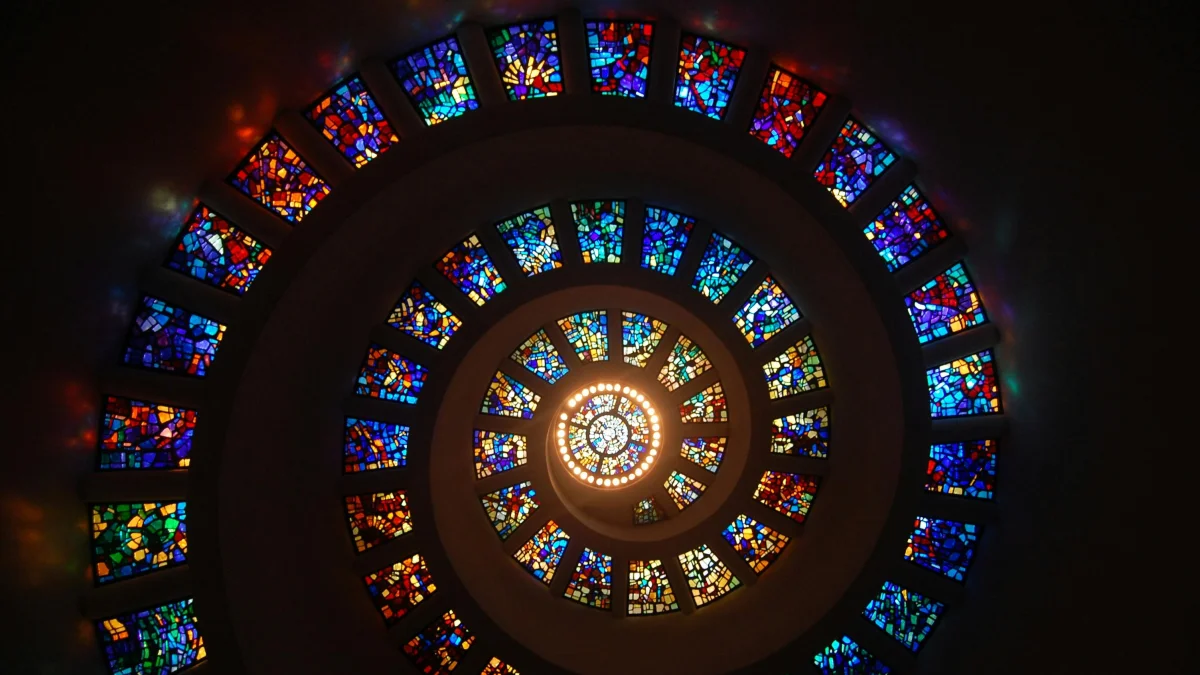
In art, discernment means not only talent, but the courage to refuse compromise, to innovate against the current, and to protect the integrity of the work. Great artists and cultural patrons have made decisions that have preserved humanity's masterpieces or changed the definition of beauty forever.
1. Michelangelo: Refusal to paint the Sistine Chapel according to conventions (1508)
Initially, he was supposed to paint the 12 Apostles. Michelangelo insisted on painting Genesis, a much more complex and personal vision. Discernment: Trust in his own monumental artistic vision, defying papal expectations to create a universal masterpiece.
2. Vincent van Gogh: Perseverance in his own style
Although he sold only one painting in his lifetime and was ridiculed, van Gogh did not change his vibrant post-impressionist style. Discernment: Absolute fidelity to his own emotional and visual truth, regardless of the commercial validation of the era.
3. The Salvation of the Louvre Museum during World War II (1939)
Director Jacques Jaujard organized the secret evacuation of thousands of works (including the Mona Lisa) before the Nazi invasion. Discernment: Anticipation of danger and preventive logistical action to protect cultural heritage from looting or destruction.
4. The Impressionists: Organizing the "Salon des Refusés" (1863)
Rejected by the official Paris Salon, Monet, Manet, and others organized their own exhibition. Discernment: Refusal to conform to rigid academic standards and the creation of an alternative space for innovation.
5. Beethoven: Symphony No. 9 and Deafness
The decision to compose his most complex symphony while being completely deaf. Discernment: Transcending physical limitations through the power of musical intellect and inner will.
6. Florence Nightingale: Invention of Statistical Diagrams (the Rose)
She used data visualization to convince politicians of the need for sanitary reforms. Discernment: Combining science (statistics) with visual art to communicate an urgent humanitarian message.
7. Harper Lee: Publication of "To Kill a Mockingbird" (1960)
The publication of a book about racial justice in the midst of the segregation era. Discernment: The courage to address uncomfortable moral themes through an accessible and profoundly human narrative.
8. George Lucas: Retention of Merchandising Rights for Star Wars (1977)
He accepted a lower salary in exchange for rights to toys and sequels. Discernment: The vision to understand that the film is just the beginning of an extended cultural universe.
9. Frida Kahlo: Self-Portrait as a Form of Therapy and Affirmation
Instead of painting conventional subjects, she painted her own suffering and Mexican identity. Discernment: Transforming personal pain into universal political and identity art.
10. J.K. Rowling: Refusal to Yield Total Creative Control
She insisted that the actors in the Harry Potter films be British and protected the integrity of the story. Discernment: Protecting the coherence of the fictional world in the face of excessive Hollywood-style commercialization pressures.
11. Walt Disney: The Bet on "Snow White" (1937)
Everyone told him that an animated feature film would fail ("Disney's Folly"). Discernment: The intuition that animation can convey deep emotion and drama, not just short gags.
12. Banksy: Self-Destruction of the Work at Auction (2018)
The painting shredded itself immediately after being sold. Discernment: A supreme artistic commentary on the art market and the ephemeral nature of value.
13. Preservation of the Romanian Language in Transylvania (Transylvanian School)
The effort of intellectuals to demonstrate Latinity and standardize the language. Discernment: Using culture and philology as political weapons for national survival.
14. Charlie Chaplin: "The Great Dictator" (1940)
The decision to satirize Nazism and Hitler when the USA was still neutral. Discernment: Using comedy to expose tyranny and mobilize global public consciousness.
15. The Beatles' Refusal to Perform Before a Segregated Audience (USA, 1964)
They included clauses in their contract prohibiting racial segregation at their concerts. Discernment: Using immense celebrity to enforce social change.
16. Gustave Eiffel: Financing the Eiffel Tower
When the government offered little money, Eiffel financed the construction himself in exchange for a 20-year concession. Discernment: Entrepreneurial confidence in the tourist and symbolic value of modern engineering.
17. Preservation of the City of Venice (MOSE Project)
The (late but crucial) decision to build mobile barriers against tides. Discernment: The use of massive technology to protect a fragile artistic heritage in the face of climate change.
18. Bob Dylan: Transition to Electric Guitar (1965)
Defying the purist folk audience to embrace rock. Discernment: Refusal to stagnate artistically, even at the risk of alienating old fans.
19. Coco Chanel: "Little Black Dress" (1926)
Transforming the color of mourning and servants into the symbol of supreme elegance. Discernment: The democratization of fashion through simplicity and functionality, freeing women from corsets.
20. Johannes Vermeer: Use of the Camera Obscura (Theory)
The possible use of optics to capture light with photographic precision. Discernment: The artist's openness to scientific instruments to achieve visual perfection.