Top 20 Political Discernment Decisions That Saved the World: Moments of Exemplary Foresight
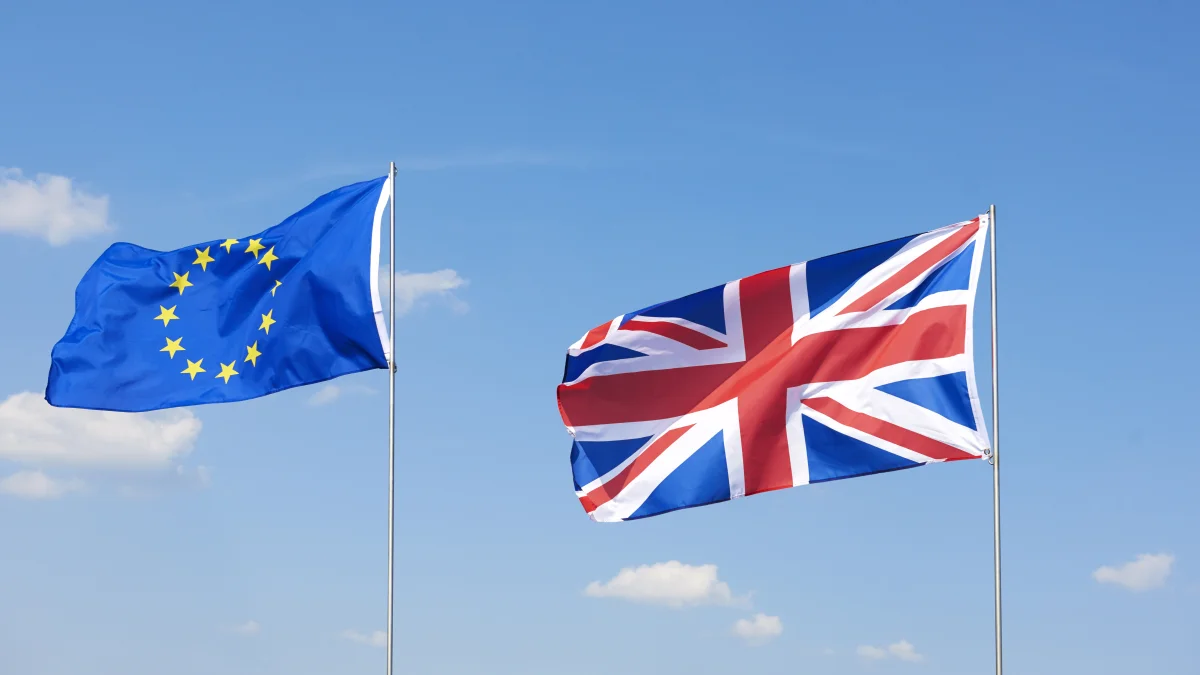
In history, there are critical moments when humanity's destiny hung by a thread. In those moments, it wasn't brute force, but discernment — the ability to see beyond impulse, to evaluate long-term risks, and to choose the moral or logical path — that made the difference. Here are 20 examples of such exemplary decisions.
1. Stanislav Petrov: Refusal to Report a Nuclear Attack (1983)
When Soviet systems erroneously indicated the launch of American missiles, officer Stanislav Petrov decided, based on logic (a real attack would have involved hundreds of missiles, not five), that it was a false alarm. Discernment: The ability to challenge technical data in favor of logical probability, avoiding a total nuclear war.
2. Vasili Arkhipov and the Prevention of a Nuclear Attack (1962)
During the Cuban Missile Crisis, aboard a Soviet submarine attacked with depth charges, Arkhipov was the only one of the three decision-making officers who opposed launching a nuclear torpedo. Discernment: Resistance to group pressure and maintaining calm under attack.
3. John F. Kennedy: Choosing the Naval Blockade (1962)
Instead of listening to generals who demanded the bombing of Cuba, JFK chose "quarantine" (blockade), giving diplomacy the necessary space to negotiate the withdrawal of missiles. Discernment: Understanding that cornering an enemy forces desperate reactions, choosing instead an honorable path of retreat for both sides.
4. The Marshall Plan (1947)
The US decision to finance the reconstruction of ruined Europe, including former enemies. Discernment: Recognizing that hunger and despair are the sources of dictatorship, and that the prosperity of neighbors is the cheapest form of security.
5. Nelson Mandela: Reconciliation Instead of Revenge (1994)
After 27 years in prison, Mandela chose to collaborate with his oppressors to build a multiracial democracy. Discernment: Abandoning ego and the desire for revenge to prevent a bloody civil war.
6. Mikhail Gorbachev: Refusal of Military Intervention in 1989
Gorbachev decided not to apply the "Brezhnev Doctrine" (armed intervention) when Eastern Bloc countries began to overthrow communist regimes. Discernment: Recognizing the failure of a system and refusing to maintain an ideology through bloodshed.
7. Robert Schuman and Konrad Adenauer: The Schuman Declaration (1950)
The decision to place strategic resources (coal and steel) under a common authority, laying the foundations of the European Union. Discernment: Transmuting millennia of military rivalry into mandatory economic interdependence.
8. George Washington: Voluntary Renunciation of Power (1796)
Retiring after two terms, although he could have been president for life. Discernment: Understanding that a democratic precedent is more valuable for a nation's future than the authority of a single man.
9. Abraham Lincoln: The Emancipation Proclamation (1863)
The decision to free slaves in the Confederate states in the midst of war. Discernment: Synchronizing morality with political strategy, ensuring that no European power (Great Britain/France) could intervene on the side of the slave-holding South.
10. Deng Xiaoping: The Economic Reforms of 1978
The decision to open China to the free market, abandoning the destructive communist orthodoxy of the Mao era. Discernment: Prioritizing practical results (feeding the population) over ideological purity.
11. Winston Churchill: Refusal of Separate Peace in 1940
Churchill rejected Hitler's peace offers after the fall of France. Discernment: The moral clarity to understand that no promise from a tyrant has value and that the survival of civilization requires total resistance.
12. US-USSR Cooperation for Smallpox Eradication (1967)
In the midst of the Cold War, the two powers decided to collaborate under the WHO's aegis. Discernment: Recognizing biological threats as being above political battles, saving millions of lives annually.
13. The Montreal Protocol (1987)
The decision of world leaders to ban substances that destroy the ozone layer. Discernment: The ability to act collectively at a global level to prevent an invisible, but certain, ecological disaster.
14. Franklin D. Roosevelt: The "Lend-Lease" Program (1941)
Finding an ingenious solution to arm Great Britain without formally violating US neutrality laws. Discernment: Legal flexibility to support the last bastion of democracy in Europe.
15. The Edict of Nantes (Henry IV, 1598)
Ending decades of religious wars in France by granting rights to the Protestant minority. Discernment: Understanding that civil peace requires tolerance, not forced uniformity.
16. Emperor Meiji: The Modernization of Japan (1868)
The decision of the Japanese elites to sacrifice their feudal privileges to transform the country into a modern industrial power. Discernment: Rapid adaptation to global realities to avoid the fate of Asian colonies.
17. Solon of Athens: Debt Forgiveness (594 BC)
The decision to free enslaved citizens due to debts and to reform the laws. Discernment: Preventing a violent revolution through equitable social reforms, laying the foundations of Athenian democracy.
18. Cyrus the Great: Liberation of the Jews from Babylon
After conquering Babylon, he allowed captive peoples to return home and rebuild their temples. Discernment: Governing by respecting the culture of subjects, ensuring the empire's stability through loyalty, not terror.
19. The Camp David Accords (1978)
The decision of Anwar Sadat (Egypt) and Menachem Begin (Israel) to make peace. Discernment: Accepting immense personal political risk to end a 30-year cycle of wars.
20. The Treaty of Tlatelolco (1967)
The decision of leaders in Latin America and the Caribbean to ban nuclear weapons in their region. Discernment: Regional proactivity in self-excluding from the nuclear arms race of the great powers.